
10 Reasons Why TV Interior Designers Are Shining a Bad Light on the Profession
It is vital for viewers and clients alike to seek knowledge beyond the screen, appreciating the depth, skill, and thought required to create truly impactful spaces.
Travis Neal, Designer
1/26/20262 min read
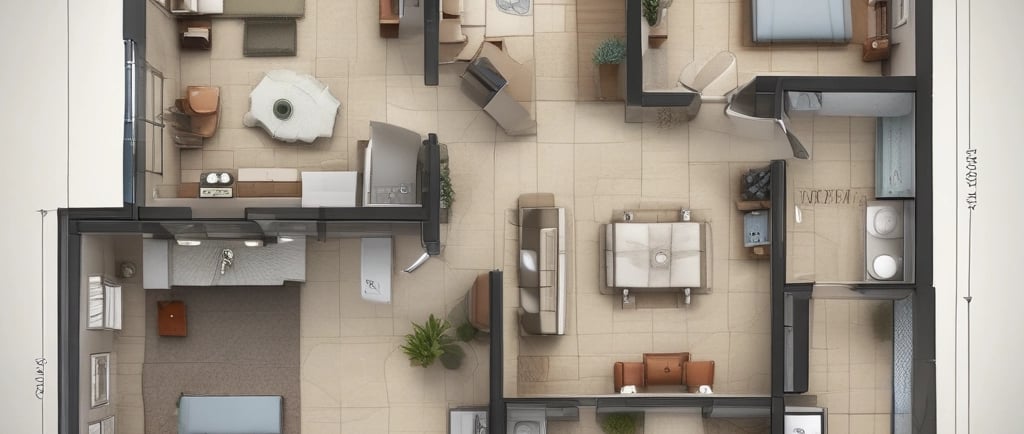
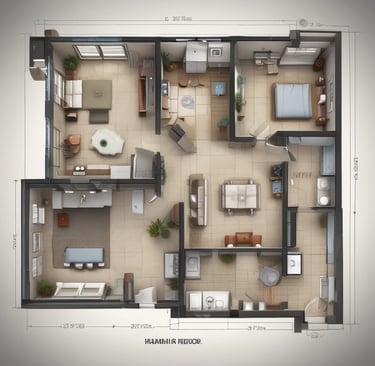
Not All TV Designs Shows Are Bad.
However, you should keeps these reasons in mind as you watch their programs.
The world of interior design has seen significant exposure through television programs, showcasing the creativity and innovation of professionals in the field. However, not all that glitters is gold. While some might argue that these shows have elevated the profession, there are compelling reasons to contend that TV interior designers are inadvertently tarnishing its reputation. Here are ten reasons that highlight the pitfalls associated with this phenomenon.
Oversimplification of the Design Process
One prominent issue is the oversimplification of the design process. Television shows often condense complicated tasks into a matter of minutes, misleading viewers into thinking that achieving a sophisticated design is quick and easy. This not only undermines the years of training and experience that professional designers typically undergo but can also lead clients to have unrealistic expectations regarding timelines.
Inaccurate Representation of Costs
Another significant concern is the inaccurate portrayal of project budgets. TV programs frequently highlight extravagant transformations without adequately addressing the costs involved. This can create a false narrative that high-end design is accessible to everyone, leading to frustration among clients when reality sets in. Discrepancies between what is shown on screen and true market costs can discourage clients from seeking professional help when they realize the financial implications of designing their spaces.
Focus on Aesthetics Over Functionality
Many television programs prioritize aesthetics over functionality, showcasing glamorous designs that may lack practicality. This can mislead audiences into believing that stunning visuals are the primary goal of interior design. However, true design involves a balance of beauty and usable space, ensuring that environments are not only appealing but also conducive to everyday living. The neglect of this balance can result in spaces that are impractical for users.
Promotion of Trend Over Timelessness
Trends showcased on television can often overshadow timeless design principles. Viewers are exposed to fleeting trends that may not stand the test of time, leading to rapid changes in personal taste and resulting in an increased frequency of renovations. This cycle of chasing trends can create frustration and financial strain for homeowners who feel compelled to keep up with what they see on TV.
Unrealistic Client Expectations
As viewers become enamored with the quick transformations presented on television, they may develop unrealistic expectations for their own projects. This can create tension between clients and interior designers, who must navigate the gap between what the client wants and what is realistically achievable. Such disparities can lead to dissatisfaction, even when the designer has executed their job correctly.
While television interior designers play a role in popularizing the design profession, it is essential to acknowledge the challenges they bring. The simplification of the design journey, unrealistic portrayals of costs, and a focus on aesthetics at the expense of functionality all contribute to a skewed understanding of what interior design truly entails. It is vital for viewers and clients alike to seek knowledge beyond the screen, appreciating the depth, skill, and thought required to create truly impactful spaces.


Reach out for custom design ideas and collaborations
© 2026. All rights reserved.